
As you certainly know by now, I’m a big baseball fan. As of this writing, I’ve been to 21 of the 30 current MLB ballparks (and 3 that have been torn down). I wrote about my 2024 Midwest road trip here and here. When I received my assignment to Japan, I was immediately excited to check out the baseball scene. Japanese stars have been coming to the US for decades, and I’d love to say that I saw the next Shohei Ohtani or Ichiro Suzuki when they were tearing it up in Japan.

Looking at the map above, you can see five teams within easy reach of the Tokyo train system, including two in Tokyo proper. It was an easy way to get me out of the house when I arrived, not knowing anyone and not sure how to approach being a solo traveler for the first time. Over the summer of 2025, I was able to visit 5 of the 12 ballparks in Japan. Next summer, I hope to visit the rest, though I should still have time in the spring of 2027 to knock out any parks I miss. Also in 2026, Japan will be hosting group play games for the World Baseball Classic. It’s a great time to be a baseball fan in Japan.
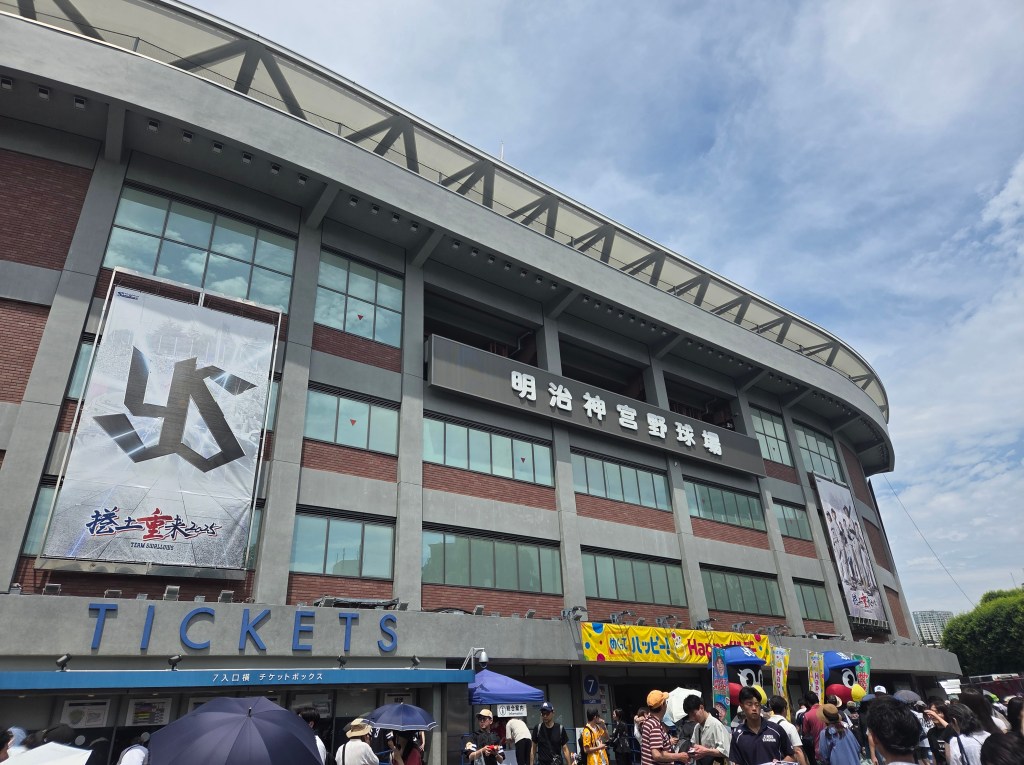


My first stop in the Nippon Professional Baseball (NPB) circuit was to Meiji Jingu Stadium, home of the Yakult Swallows. Back in 1934, Babe Ruth, Lou Gehrig, and a host of other American players played a series of exhibition games across Japan to enthusiastic crowds. Ruth hit several home runs in front of more than 60,000 fans in the games played at Meiji Jingu Stadium, which turns 100 next year. The stadium is showing its age, but the crowd was as spirited as ever despite being the worst team in the league. Even down 7 runs late in the game, fans continued to chant loudly. They do a funny umbrella dance during the 7th inning stretch, which you need to sit in the outfield seats designated for home fans to truly experience. Munetaka Murakami, who is the most anticipated Japanese signing of the 2025-26 MLB off-season, plays for the Swallows, though he went hitless during the game I saw.
After my fun experience at Meiji Jingu, it was clear that the most fun seats are in the home fan sections. Unlike American stadiums, there are designated sections for home and away fans, and both sections cheer nonstop for every batter the entire duration of the game, respectfully allowing the opposing fans to cheer when it’s their turn at the plate. These seats also have frequent visits from beer girls, who walk around with mini kegs on their backs and fill you up with fresh beer on tap right at your seat. The main downside of sitting in the outfield are the seats, which are tiny and often don’t have backs.
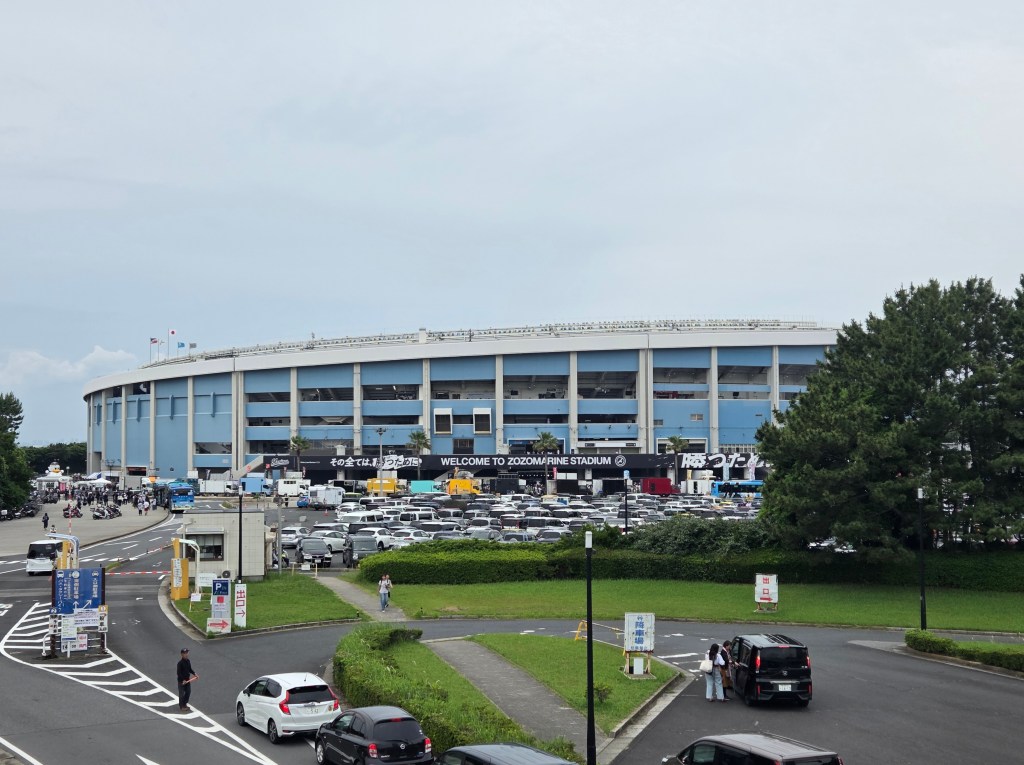

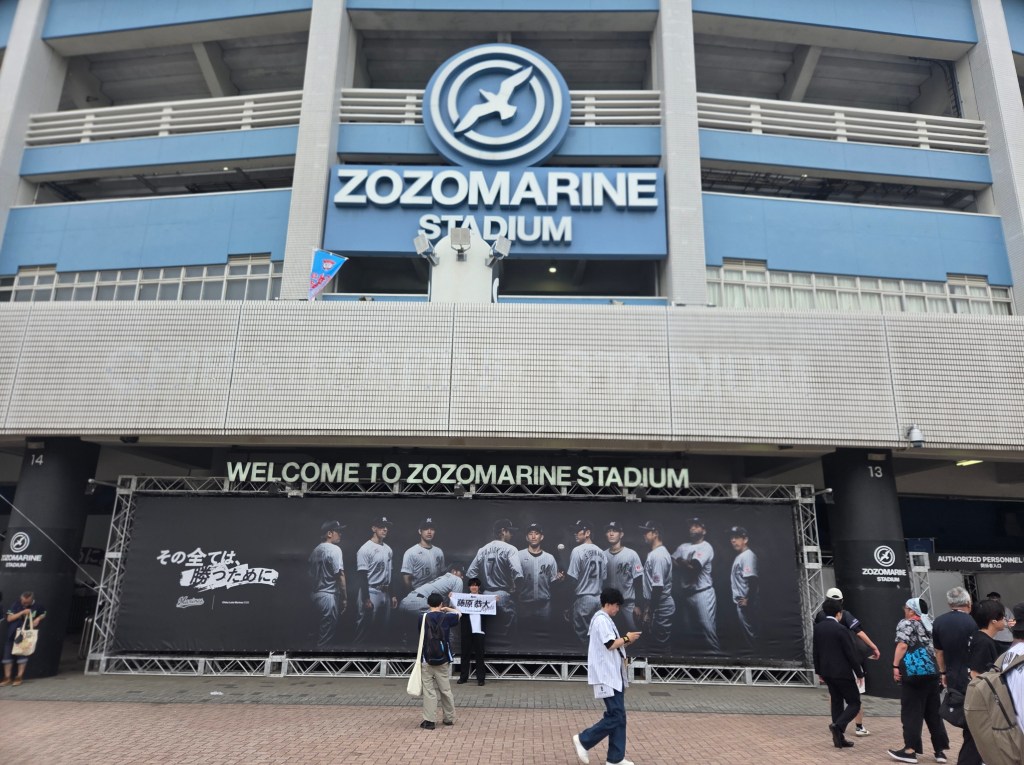
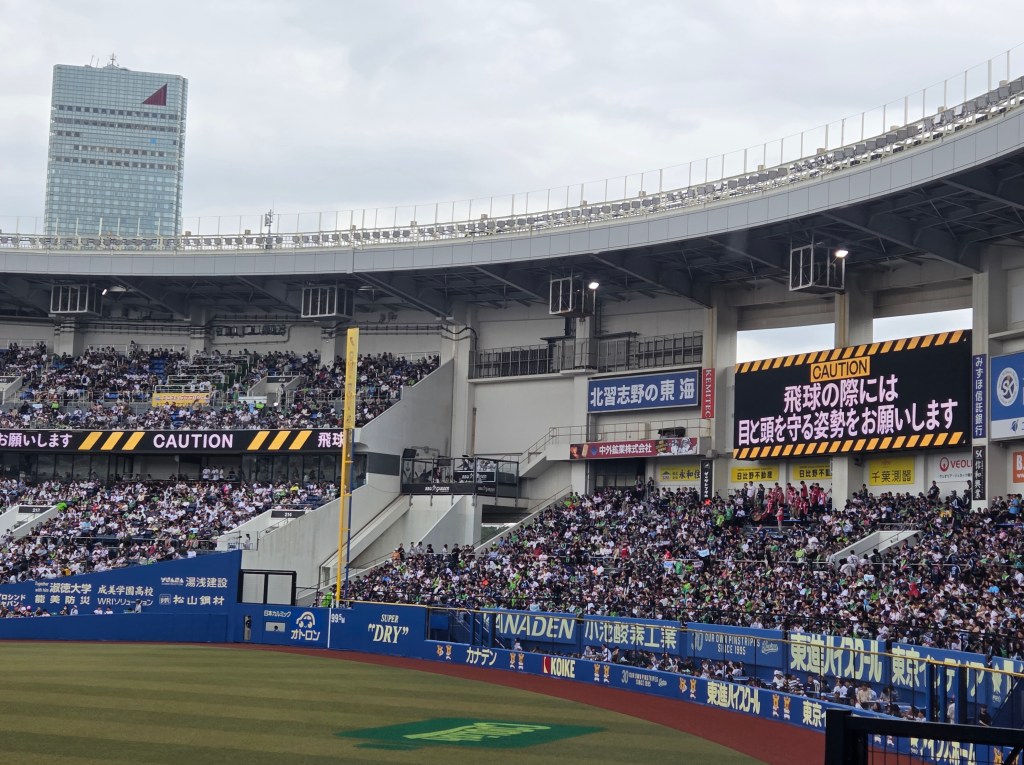


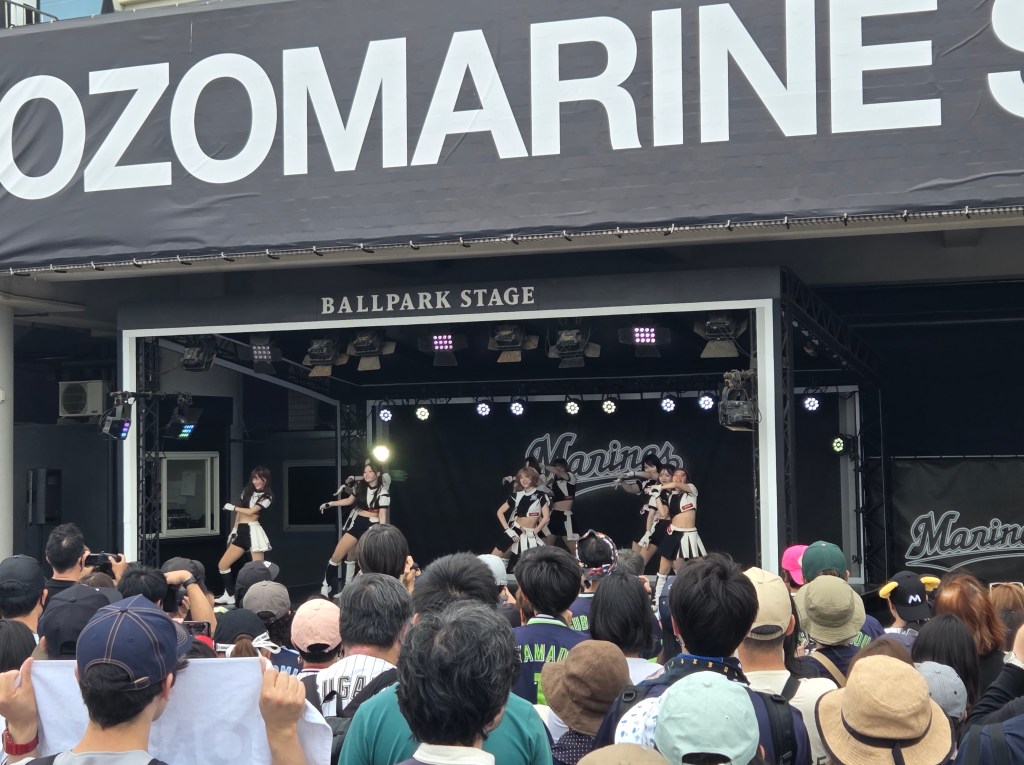
My second stop was a quick trip out to Chiba to see the Marines at ZOZO Marine Stadium, a 35-year-old park built across Tokyo Bay, yet still close enough to see the Tokyo skyline. The parking lot featured a bunch of food trucks and had the best pre-game atmosphere I’ve seen so far. The atmosphere inside was every bit as exciting as at the Swallows game. This stadium features high outfield walls, which make the field seems bigger despite having similar dimensions to US stadiums.


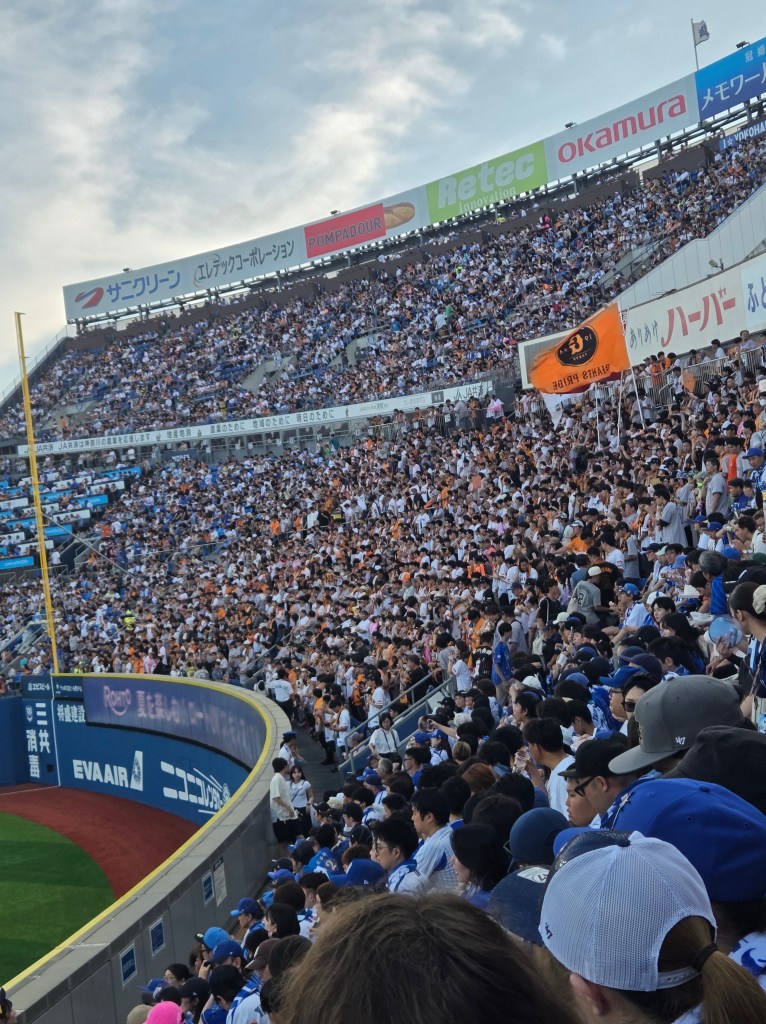
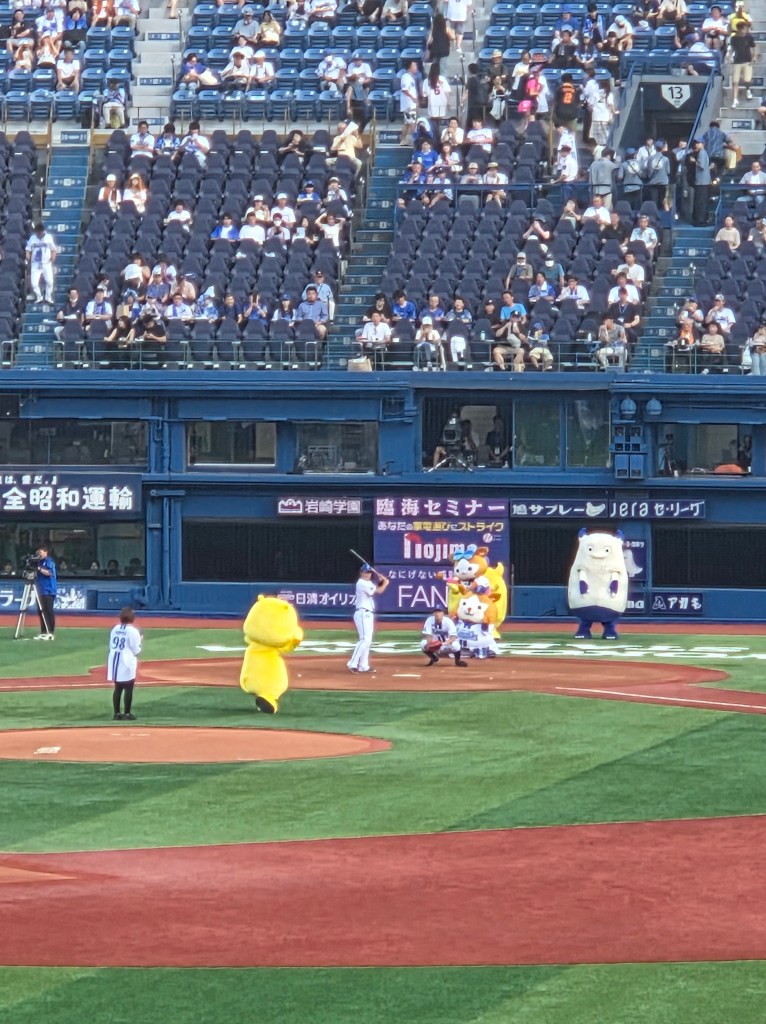

Next up was Yokohama, home to the DeNA BayStars. This stadium gets loud. I heard the roar of the crowd several blocks away as I strolled through the city on my first night in Yokohama. The stadium, and most others for that matter, could use upgrades to their scoreboard game. Japanese stadiums tend to have one huge scoreboard in center field that is not always visible from the outfield seats. The other scoreboards can be hard to find and usually only show balls, strikes, and outs. If you’re trying to track who is at bat or pitching, it can be difficult. Scoreboard complaints aside, I tried a few snacks here that I’d seen at other stadiums, namely noodles, fried chicken, and ice cream. I stayed away from the fried spaghetti, quite an odd gameday snack in my opinion.
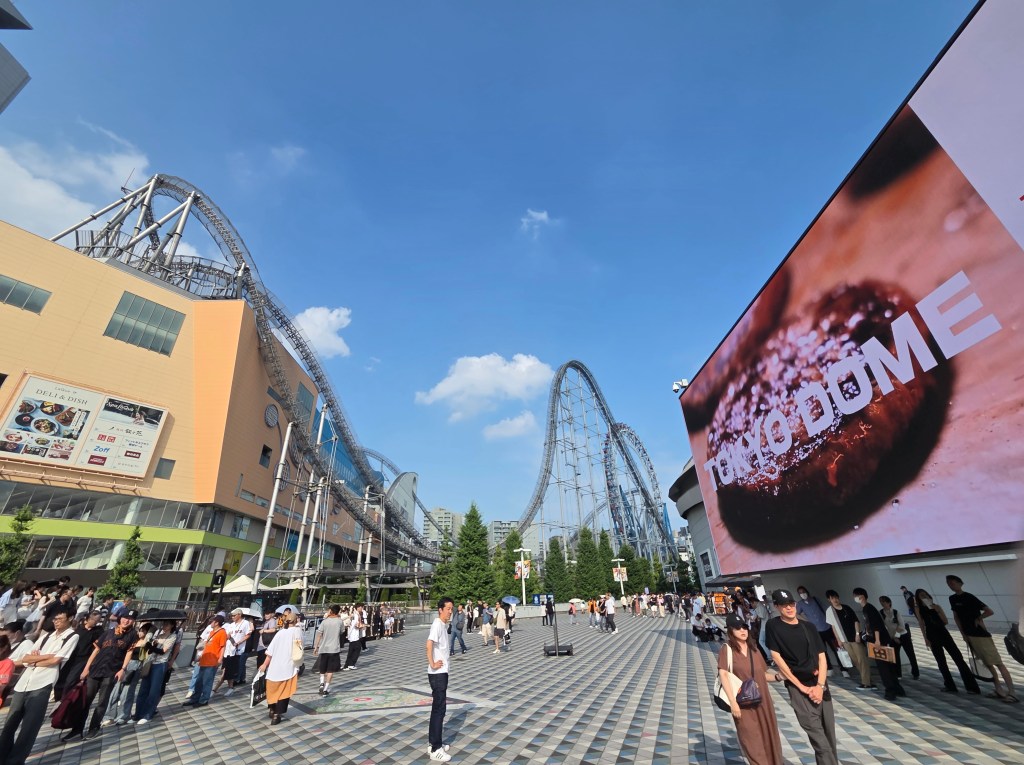

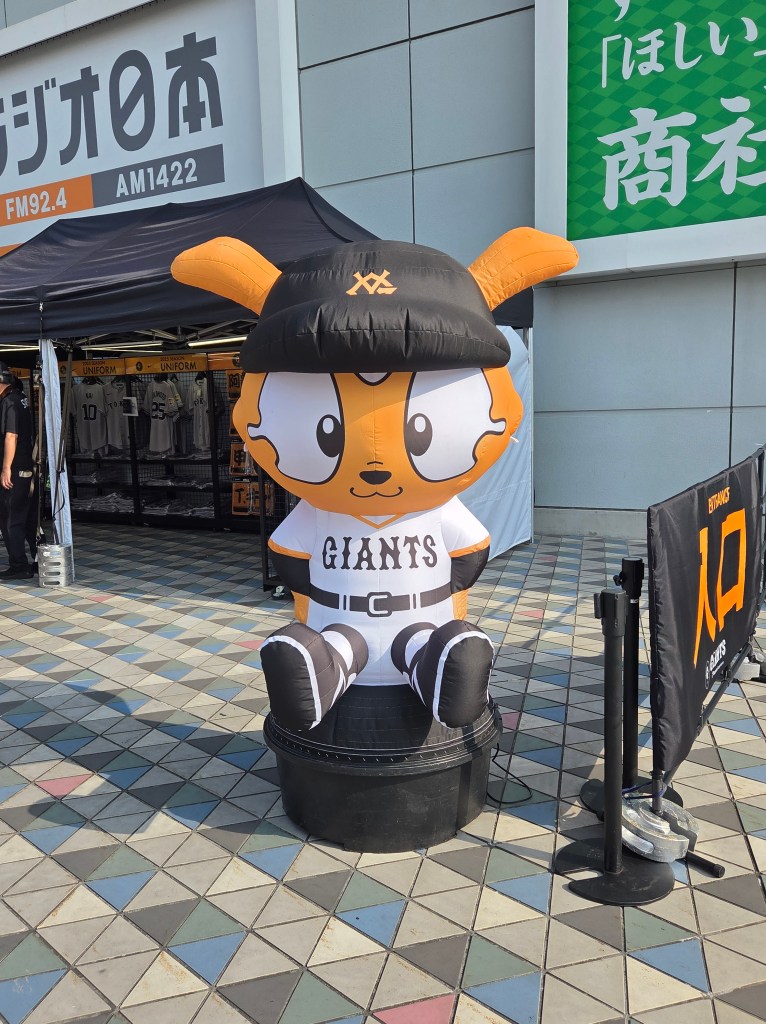


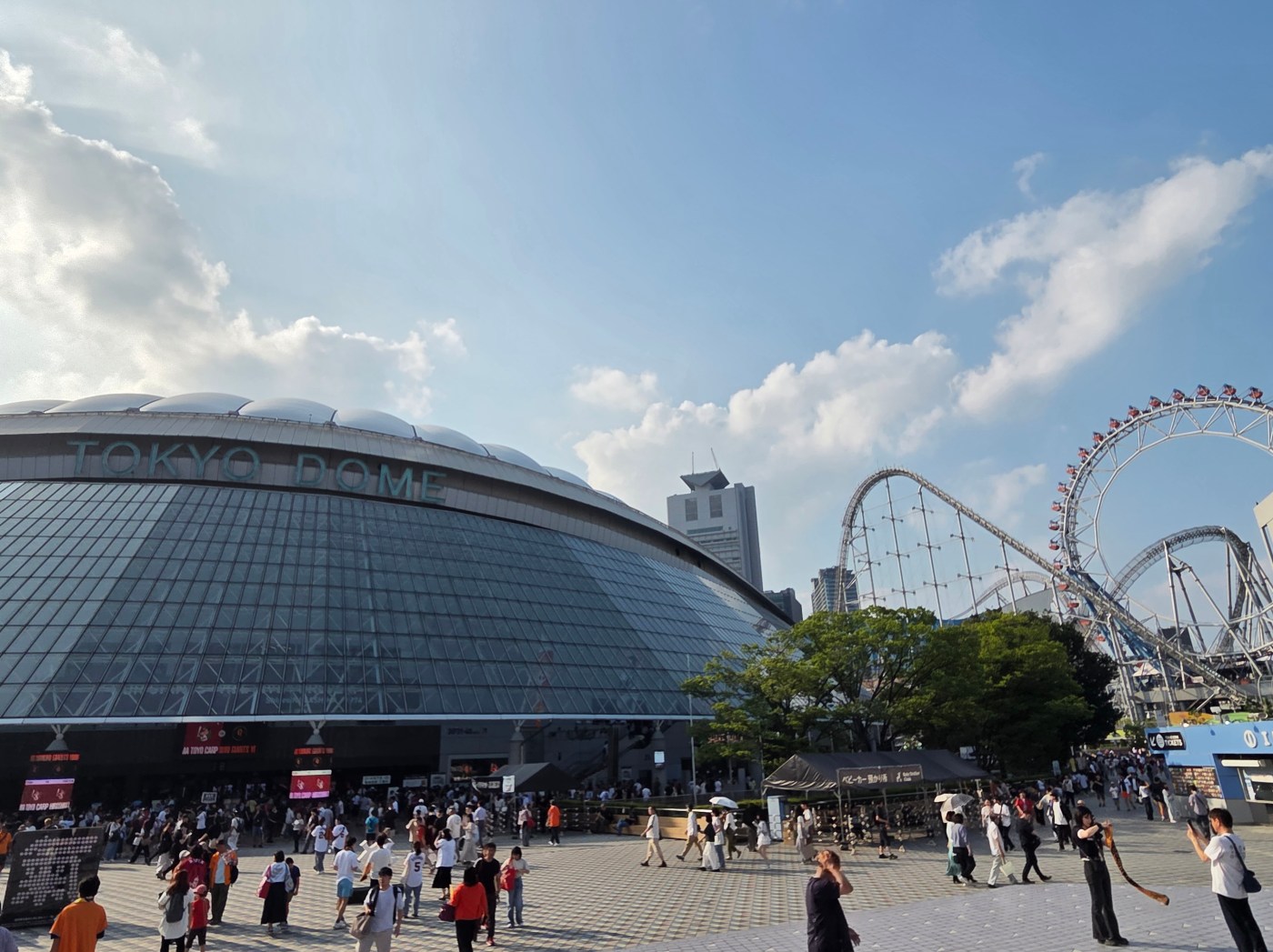
Stop four was Tokyo’s other stadium, the Tokyo Dome, home to the 22-time champion Yomiuri Giants. The stadium has a lot to do outside, including a roller coaster and tons of food options (including a Taco Bell!). The dome had the highest capacity for any team I’ve seen so far. It offers a welcome break from the summer humidity and a reminder of how uncomfortable it must be to play in outdoor stadiums when it’s 95 degrees and 70% humidity.


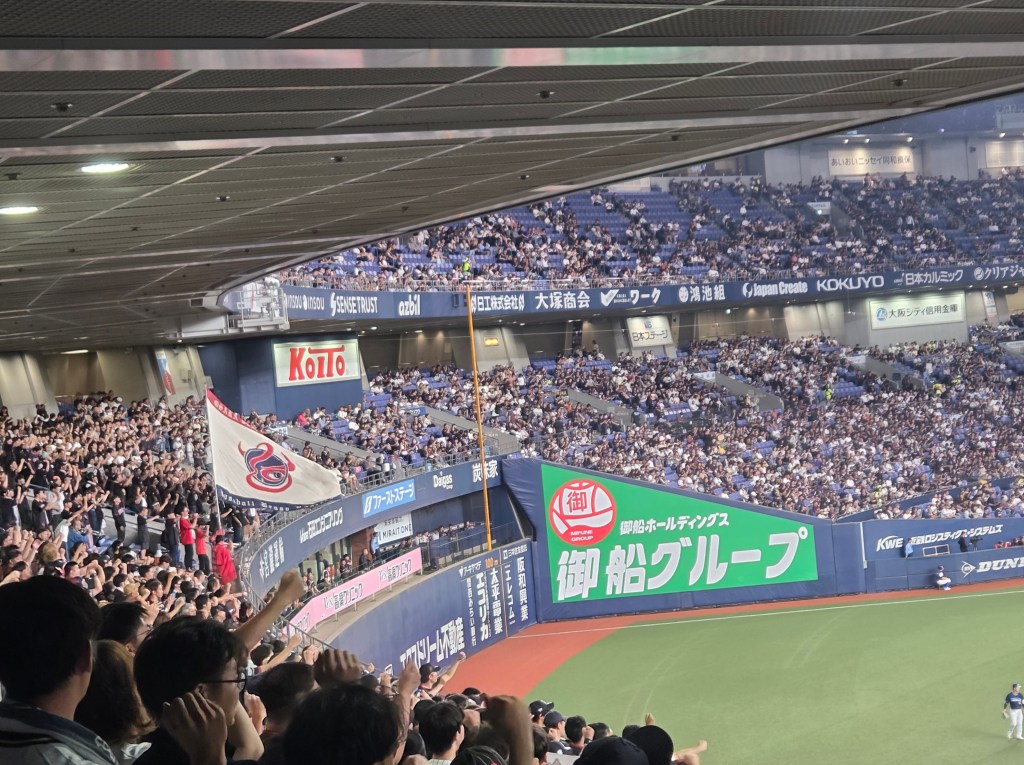
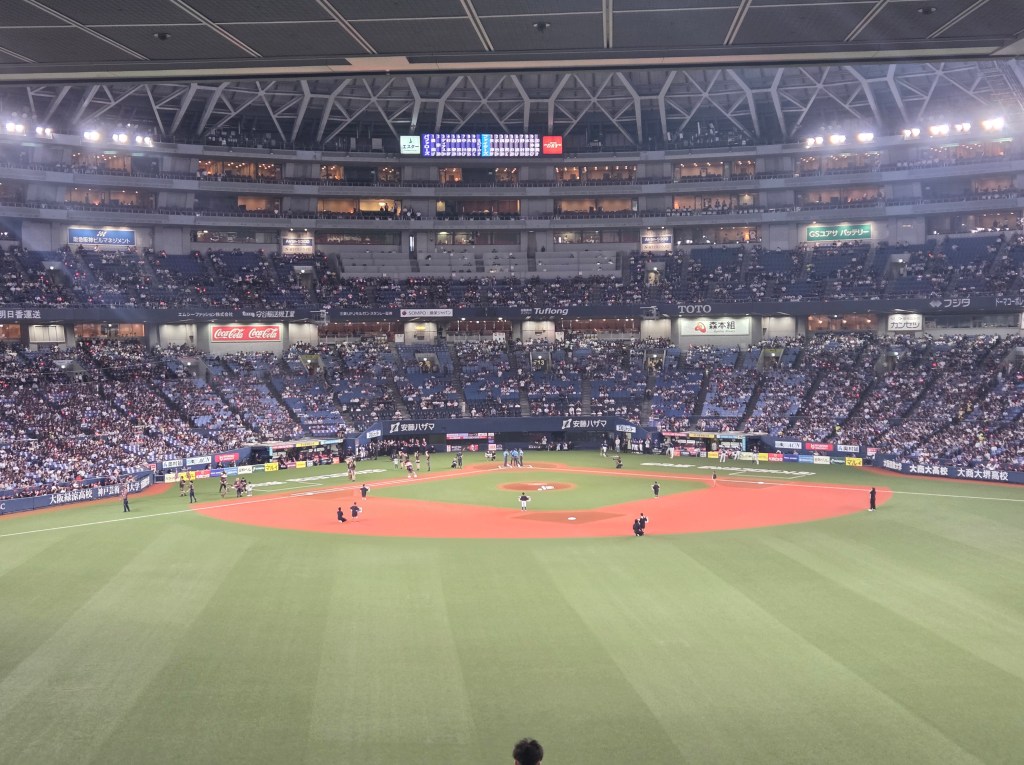
The last of the five stadiums I visited was Osaka’s Kyocera Dome, home to the Orix Buffaloes. MLB Hall of Famer Ichiro Suzuki got his start here, where one of his old uniforms is proudly displayed. Despite being the best team, I thought the Buffaloes fans were the least enthusiastic I had seen. They cheered throughout the game like everyone else, but the visiting fans were routinely louder than the home squad despite having significantly less fans in attendance.
Baseball plays an enduring role in the American-Japanese relationship, a role dating back to the beginning of the 20th century. Two months prior to my arrival in Tokyo, the US Embassy hosted an event with players from the Los Angeles Dodgers and Chicago Cubs, who were in town for both exhibition games with Japanese teams and regular season games against each other. I’m excited to visit the remaining seven stadiums and hope more American teams (Red Sox, please) come to play before I depart Japan.
Next, I’ll be writing about the Halloween trip Misha and I took, as well as a follow up to my First Impressions blog now that I’ve been in Japan for six months.


 Beer and Diplomacy
Leave a comment