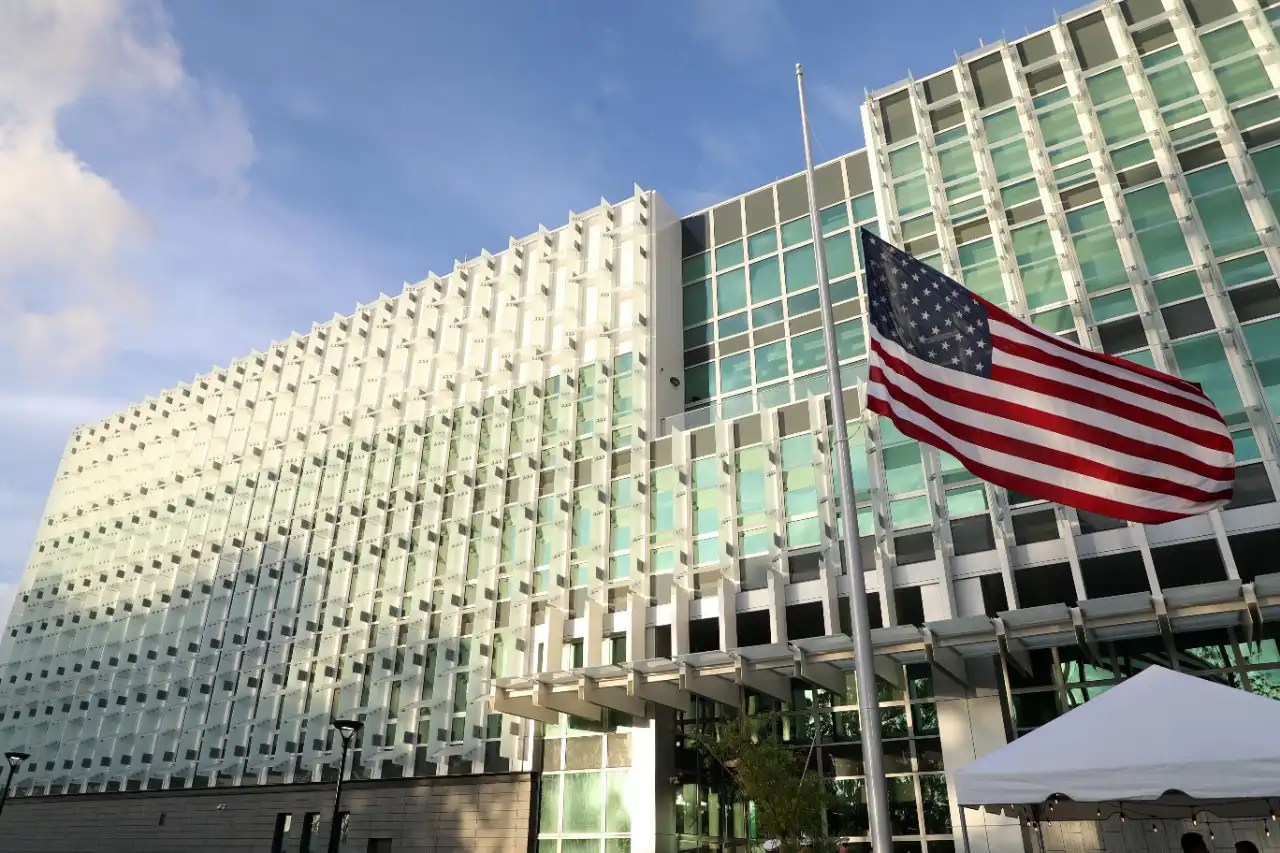
After a years’ worth of blogs about travel in and around Guatemala, I realized that I haven’t written anything about what we’re doing when we’re at work. It’s not all fun and games, you know. I wrote blogs here and here about my first two positions in Israel. For the last six months of that tour, I worked 20 hours a week as a Diplomatic Courier, which is a fancy way of saying I picked up the classified mail from the airport and then waited for people to pick it up. Next year, I hope to start as a full-time Office Management Specialist (OMS) around the same time Misha starts in Hanoi. However, our jobs in Guatemala have been quite different than those in Israel.


The first year of both tours for Misha consisted of consular work. In Israel, the pandemic was predictably a major disruption, as they were only interviewing twice a week every over week. Here, we have between 400-550 interviews a day, which is usually between 80 and 120 interviews per officer. Coming off her cancer surgery and treatment, Misha was given a medical accommodation, so she tapped out after three hours, or roughly 60 interviews. Those numbers go to show how intense and short an interview for a visa is: under three minutes in almost all cases and under two in most. Not to mention, the applicant pool here has a much higher refusal rate than Israel, so the mental toll of saying “no” to so many people mounts rapidly.
The contrast in the second half of Misha’s two tours has also been stark. While in Israel, Misha was a reporting officer in the economic section, with a focus on telecommunications, technology, and civil aviation. This required her to cultivate relationships with airline and airport representatives to accurately report travel guidance and deconflict coverage on pandemic related travel issues. Though it was a challenging social and political environment, she was able to advance some important policy goals related to Israel-Palestinian relations. Those wins may be OBE by now, unfortunately.
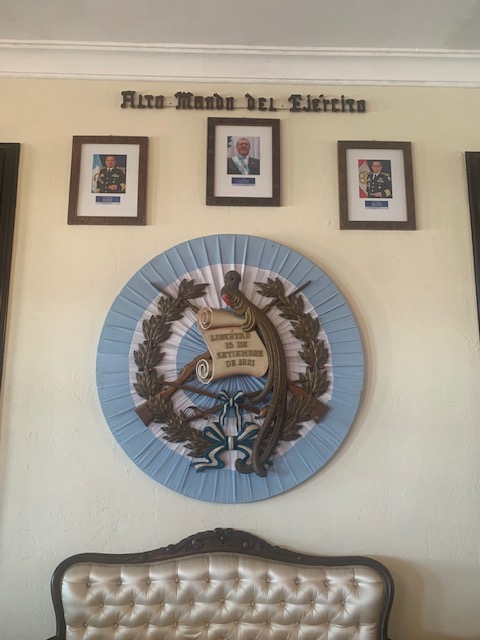


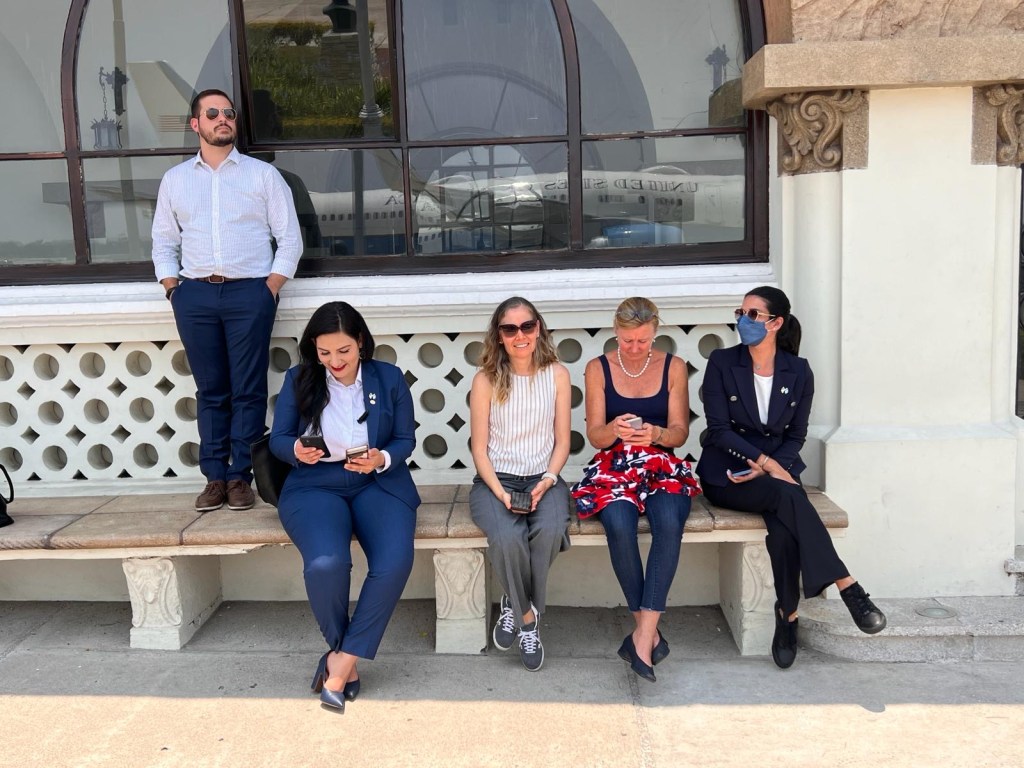
In Guatemala, Misha is the human rights officer, the same title she will hold in Vietnam. Due to the regularity of migration issues, suppression of Indigenous voices from previous administrations, and a history of human rights violations and civil conflict, not to mention the high number of US officials making the trip down from DC, it is a fast-paced, demanding job. It’s interesting in the sense that we helped with a visit by Secretary Blinken and got a tour of his plane (which doubles as Air Force 2 when the VP is on it), but it also means more stress and longer hours. Misha liaises with scores of contacts from around the country and often feels stretched in a million directions. As a matter of fact, everything at this embassy is fast paced, so much so that we are already looking forward to a sleepier post after Hanoi. Misha loves a challenge, but maybe four years down the line we’ll be ready for a post that’s a bit more low-key.
My job, on the other hand, has been much simpler. From 7am to about noon every day, I take fingerprints from the visa applicants. It’s a very repetitive slog. In the afternoons, it’s four hours of similarly redundant computer tasks. One downside to this embassy is that most jobs for family members require fluency in Spanish, which severely limited my options. While I take two hours of Spanish lessons a week, I am still nowhere near fluent. I’m happy to have a job, and an upside is that I’m able to listen to podcasts and audiobooks while doing the back-office tasks. I know one day I’ll be looking back on these days with fondness, wishing I was once again doing something simple and monotonous. Until then, I’m excited to get going as an OMS, and look forward to receiving the call to service.


 Beer and Diplomacy
OBE?
good luck with the OMS gig at the next post! 🤞🏽
LikeLike
Overcome by events, should’ve explained the state speak. And thank you!
LikeLike